



Government urged to fund liquid riluzole for people with MND
Advocacy, Awareness, Treatments
16 December 2025
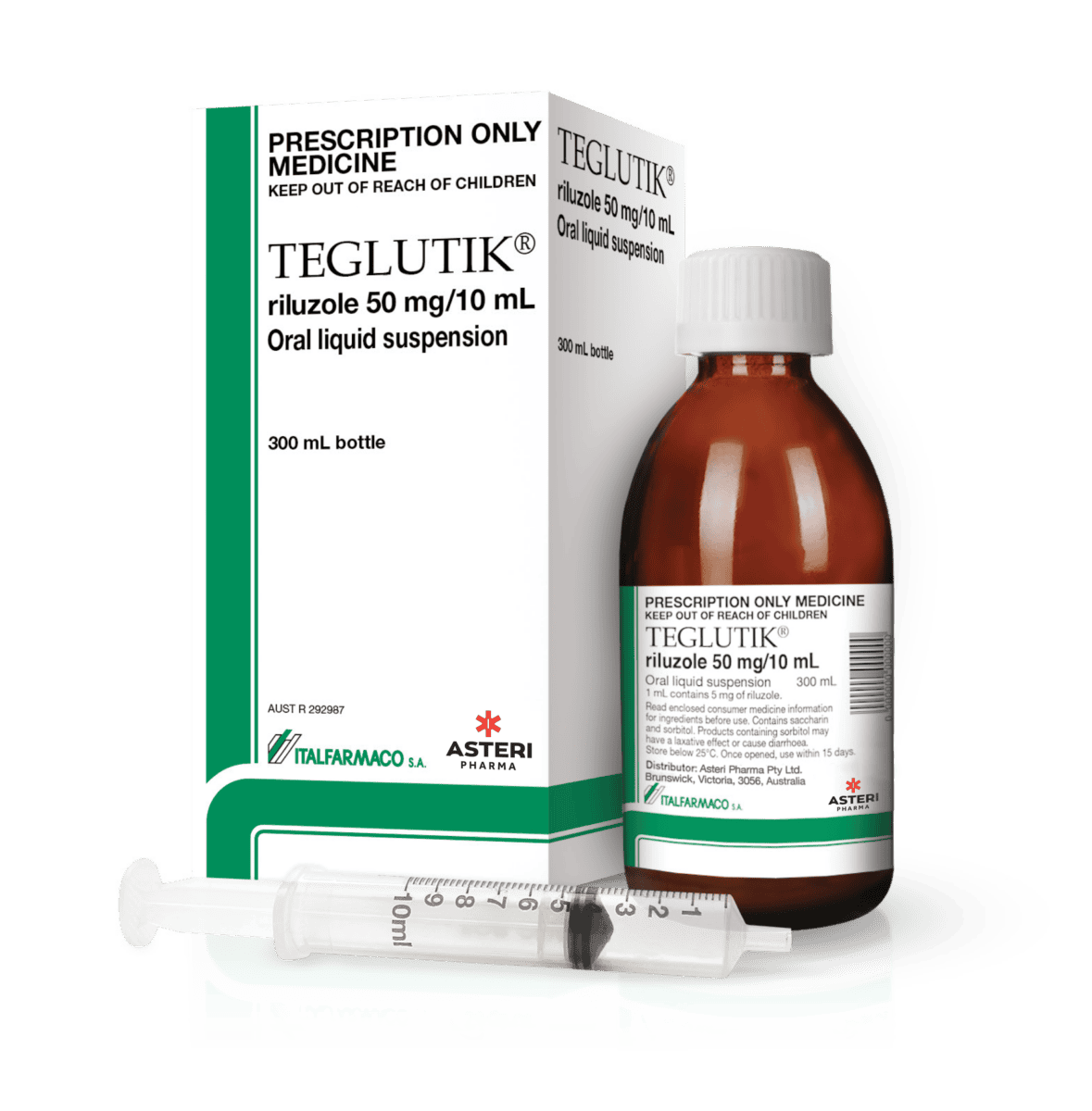
Motor Neurone Disease NZ is calling for the Government to urgently introduce and fund liquid riluzole for people living with amyotrophic lateral sclerosis (ALS), the most common form of motor neurone disease (MND) in New Zealand.
MND is a fatal, rapidly progressing neurodegenerative disease that affects the brain and spinal cord with no cure. In New Zealand, the only treatment available for MND (ALS variant) is a tablet form of riluzole – known by the brand name Rilutek – taken twice daily.
Karlene Watson (67) was diagnosed with the ALS form of MND in July 2025. She has been taking riluzole tablets since September. As a person living with a condition that commonly causes problems with swallowing, she says access to the liquid formulation would relieve a lot of fear around taking the only medication available to her.
“It’s the only medicine offered for people living with MND,” says Karlene. “A pill can easily become stuck in my mouth or throat where it starts to dissolve, resulting in a very unpleasant burning and choking, with no ability to clear the stuck pill. Having a liquid form of riluzole available would stop my fear of choking.”
Feeding tubes are also commonly used by people with MND and can cause further challenges for taking tablets. Problems like loss of medication when crushing and tube blockages can lead to people not taking the medication or their medical professionals not prescribing it.
People living with the ALS variant of MND in Australia have had access to funded liquid riluzole for more than six years and it is also funded in the United Kingdom, the United States and parts of Europe.
Recent MND Insight Research in New Zealand shows a much lower uptake of riluzole here, when compared with Australia and European countries. New data presented at the Neurological Association of New Zealand (NANZ) conference by Dr Sarah Buchanan from our research shows only 48 per cent of the research participants with MND (ALS variant) took riluzole. In contrast, figures from four European ALS centres show an 83 per cent uptake and Australian estimates from a 2025 MND Australia survey, show a 76 per cent uptake.
MND NZ Research Advisor and Best Practice Advocate Dr Natalie Gauld and Chief Executive Mark Leggett have written to Pharmac and Medsafe advocating for liquid riluzole to be introduced and funded in New Zealand, supported by NANZ. They have also had multiple meetings with the distributor of riluzole liquid in Australia about bringing it into New Zealand.
“At MND NZ we know that some people are having difficulties with the tablets and want access to the liquid that is available elsewhere,” says Dr Gauld. “We are pleased to advocate for our community on this and will continue to push for it so that people like Karlene don’t have to live in fear of taking their medication. We would like anyone who wants to take this life-extending medicine to be able to do so for as long as possible.”
Having medication that is easy to take is particularly important now that recent studies show the benefits of taking riluzole are higher than previously thought. On average, people taking riluzole have 7-11 months longer survival than those not taking it. This increase is meaningful for those living with this fast-progressing terminal disease and their whānau. Earlier trials showed a more modest median increased survival of only 2-3 months.
MND NZ regional support advisors walk alongside people living with MND and their families every day. They see first-hand that this rapidly progressing, fatal disease can place an enormous burden on carers as well as the person living with MND. This is one burden that can be removed for them.
For more information on riluzole and the latest research on its effectiveness go to mnd.org.nz/riluzole